Elderly Care Choices: Comparing Costs, Solutions, and Advantages of Assisted Living and Memory Care
Business Name: Beehive Homes of Sandy
Address: 9532 S 700 E, Sandy, UT 84070
Phone: (801) 975-5244
Beehive Homes of Sandy
BeeHive Homes of Sandy provides personalized assisted living and memory care in a comfortable residential setting. Our compassionate caregivers deliver attentive daily support focused on dignity, independence, comfort, and quality of life.
9532 S 700 E, Sandy, UT 84070
Business Hours
Families generally do not start researching senior care since life is calm and organized. Something has actually moved. A parent left the stove on, a spouse with dementia roamed outside in the evening, or the caregiver merely can not stay up to date with medications, laundry, home upkeep, and continuous supervision. By the time I meet families expertly, they are typically tired, stressed, and overwhelmed by choices: assisted living, memory care, respite care, in‑home aid, or some combination of all of these.
Choosing in between assisted living and memory care is not just a monetary choice. It has to do with safety, self-respect, and what daily life will really feel like for the individual you like. The pamphlets tend to flatten the differences into a few marketing expressions. In practice, the space can be broad, and moving twice (from assisted living to memory care) is disruptive, both mentally and financially.
This article strolls through how these options differ in services, staffing, environment, and expense, and how to match them to real‑world situations rather than abstract descriptions.
What assisted living in fact provides
Assisted living outgrew a simple idea: lots of older grownups do not need a nursing home, but they also can not or do not want to manage alone in the house. The objective is to mix housing and support in a manner that protects independence.
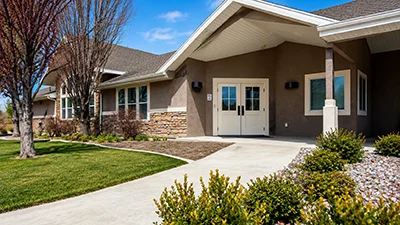
In most states, assisted living residents reside in personal or semi‑private apartment or condos with a small kitchen or kitchen space, a bathroom adjusted for security, and access to common spaces such as dining-room, activity rooms, and often outside courtyards. The structure looks less medical than a nursing home. Numerous residents still drive, go out with friends, or travel, although they might depend on staff for medication reminders or help with bathing.
From a services viewpoint, assisted living is constructed around help with activities of daily living: bathing, dressing, grooming, toileting, and transfers. Personnel can also assist with medications, frequently utilizing a central med cart or drug store blister packs. Housekeeping, laundry, and meals are generally included in the base rate.
What assisted living is not created for is high‑risk behavior or complex cognitive problems. Personnel are generally not geared up for frequent roaming, exit‑seeking, aggression triggered by dementia, or homeowners who can not securely call for aid when they require it. Laws differ, however there is typically a limit to how much healthcare or hands‑on support an assisted living facility can legally provide before a resident needs either memory care or a nursing home.
A great way to think of assisted living is that it fits older adults who need structure, support, and some guidance, however can still participate in their own security. They can push a call button, follow basic instructions, and comprehend why particular borders exist.
What memory care adds on top of assisted living
Memory care looks similar on the surface area: private or shared rooms, meals, housekeeping, activities. The vital differences sit behind the scenes in staffing, constructing design, shows, and policy.
Memory care units are particularly developed for residents with Alzheimer's disease and other dementias. The design usually features a secured border with regulated exits. Hallways are often much shorter, circular, or developed to minimize dead ends that can worsen agitation. Color cues, large signage, and visual landmarks help locals orient. Outside spaces are either completely confined or thoroughly supervised.
The staffing pattern is much heavier. Where an assisted living floor might have one caregiver for 10 to 15 residents throughout the day, memory care might aim for something like one caretaker for 5 to 8 locals, depending upon the state and the operator. Staff are trained to manage habits such as sundowning, repeated questioning, exit‑seeking, and resistance to care. Training consists of techniques for redirection, non‑pharmacologic relaxing strategies, and safe handling when residents strike out or effort unsafe movements.
Programming in memory care is purpose‑built to match cognitive levels. Rather of an arranged lecture, you are more likely to see sensory stimulation, music tailored to the resident's period, brief tactile tasks, basic baking activities, or folding laundry as a relaxing, purposeful ritual. Activities are shorter, more frequent, and not depending on memory retention. Personnel comprehend that you may run the same group 5 times in a week with much of the exact same people, which is fine.
Medication oversight is tighter also. Residents typically have numerous psychedelic medications that need cautious timing, particularly for sleep, behavior management, and mood. In my experience, good memory care systems work closely with geriatricians or geriatric psychiatrists and are more proactive about tracking patterns in habits that suggest a medical issue such as pain, infection, or delirium.
Safety expectations are also various. In memory care, the group assumes locals will forget guidelines, misinterpret hazards, and walk into situations they would once have prevented. The whole environment is built for that reality.
The blurred zone between the two
Families seldom have a neat box to fit their loved one into. I typically hear variations on the very same concern: "Mom is absent-minded, however she still dresses herself and has long conversations. Does she truly require memory care?" Or the inverse: "Dad is physically strong and moves fast. He roams, however he is not 'that bad' yet. Would assisted living suffice?"
The answer sits in a couple of useful questions.
First, is the person safe in an environment that is not locked or constantly kept an eye on? If a resident has actually already opened a door and ignored home, or has left the stove on more than when, it is risky to position them somewhere with open exits. Unlike a single‑family home, assisted living structures have several exits, more traffic, and more opportunities to escape without somebody discovering immediately.
Second, how does the person react to unknown environments and guidelines? Somebody with early dementia who follows triggers and accepts guidance can often succeed in assisted living with a strong memory care program on site for future shift. Someone who becomes frightened, paranoid, or resistant when they do not acknowledge a place may do better beginning in memory care where the regimen is tighter and staff are utilized to those reactions.

Third, what is the forecasted trajectory? Dementia is progressive. If an individual is simply hardly safe for assisted living at move‑in, they may quickly cross into requiring memory care, and that second relocation can be disorienting and mentally uncomfortable. I in some cases motivate families to favor the environment that will still fit the person in 2 years, not just at this moment, particularly if financial resources can sustain the greater level of care.
There are also citizens in assisted living who technically get approved for memory care however remain where they are since of long relationships with staff and peers. That can work when the building is relatively small, personnel understand the resident deeply, and threats are workable. It fails when roaming, aggression, or significant incontinence ended up being day-to-day realities.
How expenses truly compare
On paper, assisted living often costs less than memory care. In practice, the contrast can be misleading if you look only at base rates.
In numerous markets, a personal assisted living house might begin in the variety of 3,500 to 6,000 dollars per month, often greater in large cities or high-end communities. Memory care often begins around 5,000 to 8,000 dollars. These are broad varieties, and some high‑end neighborhoods charge much more, however they provide you a sense of scale.
Assisted living rates normally includes lease, standard utilities, some level of activities, and meals. Care is then added in tiers or point systems. A resident who requires only medication management might pay a few hundred dollars more per month. Someone who needs comprehensive help with bathing, dressing, and movement might layer on 1,000 to 2,500 dollars or more in care fees. If a resident becomes incontinent, begins to need 2 staff members for transfers, or begins calling out frequently at night, the month-to-month cost can jump significantly.
Memory care normally looks more pricey in advance, but it frequently bundles a higher level of care into the base cost. The presumption is that many locals will need assist with multiple day-to-day jobs and will have cognitive problems that requires more intensive guidance. There may still be tiers, however the range between the most affordable and highest is smaller, due to the fact that everyone is currently beginning at a higher baseline of need.
There are less obvious expense factors also. For instance, if you position a person with moderate dementia in assisted living to "conserve cash" and they repeatedly roam out or withstand care, the center might need a one‑to‑one sitter for amount of times that the household should spend for, or might give notice that the resident must move to memory care. Each crisis, medical facility visit, and short‑term solution includes cost.
On the other hand, some families select private in‑home caretakers combined with adult day programs to delay any move at all. In‑home care at 25 to 35 dollars per hour for 8 hours a day, 7 days a week, rapidly exceeds 5,000 to 7,000 dollars each month, not consisting of lease or home upkeep. That might still deserve it for some, specifically if a spouse deeply wants to keep their partner in your home and has the resources to do so.
One more angle is the length of time somebody will live at that care level. If a fairly healthy person with moderate dementia gets in memory care, it is not uncommon for them to live several years, sometimes more than 5 or 7. If financial resources are tight, even a 500 dollar regular monthly distinction in between assisted living and memory care adds up to 10s of thousands over the overall stay. That is a genuine trade‑off, and families require clear projections instead of wishful thinking.
Insurance, public advantages, and what they actually cover
A typical surprise for households is discovering that standard Medicare does not pay for assisted living or memory care space and board. It may cover physician visits, therapy, and some medical supplies, however not the core residential cost.
Some long‑term care insurance plan do assist with both assisted living and memory care, but just if the policy language clearly covers "assisted living facilities" or "residential care centers" and if the resident satisfies defined criteria for needing help with activities of daily living or for cognitive impairment. It is essential to review the policy years before you require it if possible, and again at the time of claim, since misconceptions about waiting durations, daily advantage optimums, and inflation riders can hinder planning.
For veterans, Aid and Presence advantages can contribute substantial regular monthly assistance that can be used to assisted living or memory care. These programs involve documentation and eligibility requirements, but when they fit, they can make the distinction in between hardly managing and having enough to select a suitable setting.
Medicaid coverage is complex and extremely state‑specific. Some states have Medicaid waivers that help spend for assisted living or memory care, but not all structures accept them, or there might be restricted designated systems. Even when available, the process to certify can take months, and some neighborhoods need a minimum period of personal pay before accepting a Medicaid transition. Planning around this truth is an essential part of responsible financial decision‑making, instead of presuming that "Medicaid will step in later" without checking.
Services and staffing: what to try to find beyond the brochure
When choosing between assisted living and memory care, focus less on abstract labels and more on what a day would in fact feel and look like for your family member.
Ask how medication administration works. In some buildings, med passes are rushed, with one nurse covering a big floor. In others, there is enough personnel to spend a minute with each resident, inspect their swallowing, and notice agitation or confusion.
Observe dining. In assisted living, homeowners usually walk or wheel into the dining-room, checked out menus, and place orders. In memory care, staff may use picture menus, pre‑plated meals, or one‑to‑one help at the table. Watch whether homeowners are consuming or just pressing food around. Food intake is typically the first thing to weaken when a person is overwhelmed.
Activity calendars can be deceptive. Fifteen products printed on a page do not suggest fifteen significant experiences. Take a look at whether personnel actually lead activities, or if citizens are clustered around a TV the majority of the time. In great memory care programs, you see staff appealing citizens during shifts: folding towels in between meals, walking with them in the halls, offering hand massages, and utilizing music not simply during "music hour" but throughout the day.
Staff turnover is another silent marker. High turnover breaks continuity, especially for residents with dementia who rely on familiar faces and voices. It is reasonable to ask the director how long their core care staff have actually been there, and what they do to retain them.
Finally, ask openly how the structure chooses a resident is no longer proper for that level of care. A truthful director will describe specific triggers: repeated roaming events, frequent physical hostility, uncontrolled behaviors in the evening, or medical intricacy beyond their license. You wish to know whether the likely future of your loved one fits within that building's convenience zone.
How respite care fits into the picture
Respite care is short‑term remain in an assisted living or memory care setting, typically from a few days to a few weeks. Households often think about it only as a break for the caregiver, but it can serve several functions in the choice process.
For caretakers who are on the fence, a respite stay can operate as a trial run. A person with moderate dementia might go into assisted living respite while their main caretaker travels. If they change well, engage in activities, and show no security concerns, that tells you one story. If they become extremely nervous, try to leave, or require more hands‑on aid than anticipated, personnel might gently suggest that memory care would fit much better if a relocation ends up being permanent.
Respite care in memory units is similarly valuable. It allows staff to examine how a person with dementia functions in a structured elder care Beehive Homes of Sandy environment. I have actually seen households choose not to progress with permanent positioning due to the fact that the respite stay revealed that the individual was doing far better at home than they realized, or alternatively, due to the fact that it became crystal clear just how much pressure the main caregiver was under.
From a purely human angle, respite care protects caregivers from burnout. A spouse taking care of somebody with dementia at home frequently neglects their own health. A week or 2 of respite can give them time for medical consultations, sleep, and mental rest, which in turn might extend the duration they can safely continue home care.
Financially, respite is generally billed at a day-to-day rate that includes space, board, and care. The per‑day expense is higher than the equivalent regular monthly rate, however because the stay is brief, it can still be manageable. Some long‑term care policies repay respite, however it depends upon the agreement language.
A basic contrast you can keep in your head
List 1: Key distinctions in between assisted living and memory care
- Safety design: Assisted living is usually unsecured, with locals expected to stay in safe locations willingly. Memory care utilizes secured doors, enclosed courtyards, and streamlined layouts to handle roaming risk.
- Staffing intensity: Assisted living frequently has greater resident‑to‑staff ratios and more independence. Memory care provides more hands‑on help and habits management training.
- Program focus: Assisted living activities presume some memory, attention, and self‑direction. Memory care activities are shorter, repeated, sensory‑based, and adjusted for cognitive loss.
- Cost structure: Assisted living generally starts lower however can climb with included care requirements. Memory care starts higher but frequently packages more services.
- Appropriateness: Assisted living fits those who can participate in their own safety and comprehend standard hints. Memory care fits those with moderate to sophisticated dementia, wandering, or behavioral symptoms.
This mental list is not perfect, however it anchors your thinking as you meet communities.
Emotional truths and household dynamics
Elderly care decisions hardly ever hinge on truths alone. Regret, guarantees made years earlier, brother or sister differences, and generational expectations all shape what feels acceptable.
Many adult kids struggle with the concept of locking doors around a parent. Relocating to memory care seems like an action that admits the dementia is "that bad." Others associate memory care with the most advanced stages they have seen, possibly a relative who no longer recognized anyone. Putting a still‑recognizable, conversational parent in that environment feels premature.
On the other hand, caregivers in the house, frequently spouses in their seventies or eighties, might lessen threat out of love and routine. "He just wandered when." "She only gets aggressive when she is tired." They keep in mind the full person, not simply the illness. When I sit with them, I try not to argue with their memories. Instead, we discuss concrete threats and what a typical week is like now, hour by hour. The level of exhaustion that surface areas in those conversations often alters their perspective.
Siblings can disagree, particularly if one lives close-by and carries more of the everyday load. The far-off sibling might favor assisted living to protect self-reliance, not completely grasping just how much behind‑the‑scenes guidance the local caretaker is supplying. Sometimes a structured respite stay exposes the ground fact more plainly than any family discussion.
It helps to bear in mind that a transfer to assisted living or memory care is not a failure of love. It is a modification in the care setting when the home environment can not securely or sustainably meet the person's requirements. Framing the move as a shift from "doing it all yourself" to "leading the care team" can assist families reorient.
Questions to ask when touring communities
List 2: Practical questions to guide your visits
- "Describe a resident who is not suitable for this level of care. What takes place when someone reaches that point?"
- "What is your average staff‑to‑resident ratio on days, nights, and nights, and how often do you utilize company personnel?"
- "How do you support citizens who roam, withstand bathing, or become agitated? Can you provide recent examples?"
- "If my parent's dementia progresses, can they stay in this structure, or would they need to transfer to another location?"
- "What increases in monthly cost should I expect as care needs modification, and can you reveal genuine examples of present resident fee structures, with names eliminated?"
The goal is not to capture anyone out, however to extract concrete descriptions instead of general reassurances.
Matching setting to real‑world situations
Different circumstances require different options, even when medical diagnoses look comparable on paper.
A widowed parent with early‑stage dementia, still driving but progressively lonely and missing doses of medication, might thrive in assisted living, particularly one with a strong memory clinic close-by and structured activities. The social engagement and regular meals can slow functional decline.
By contrast, a physically robust person with moderate Alzheimer's who has already wandered from home more than as soon as, becomes suspicious in the evening, and periodically lashes out when confused, is usually safer in memory care from the start, even if they can currently shower or dress with just prompting.
If a frail spouse with numerous medical issues and early dementia lives with a partner in their eighties who handles relatively well however is overwhelmed by hands‑on care, a hybrid plan might assist: in‑home caretakers throughout the day, adult day memory programs numerous days a week, and arranged respite care in memory systems a couple of times a year. That pattern typically extends the period they can stay together at home before thinking about irreversible placement.
There are likewise times when medical complexity overshadows the cognitive problem. Someone on regular oxygen, recurrent IV prescription antibiotics, or requiring skilled injury care might require a nursing center regardless of whether dementia exists. Assisted living and memory care are not replacements for knowledgeable nursing when the medical requirements are that high.
Bringing it all together
Choosing in between assisted living and memory care is less about going after the ideal option and more about discovering the setting that best lines up with the person's security needs, character, illness trajectory, and monetary reality. What matters most is the quality of the care team, the fit in between the environment and the person's habits patterns, and the sustainability of the plan for both the resident and the family.
Respite care, discussions with doctors who understand geriatric and memory conditions, and honest talks with center directors often clarify the path. Households who do finest are not the ones who find a magic solution, but the ones who stay open to changing the plan as the illness evolves.
Senior care and elderly care are long journeys, not single decisions. When you choose an assisted living or memory care setting, you are not locking in your fate. You are selecting the next best action in a process that will keep unfolding. If you ground that step in clear info, truthful self‑assessment, and respect for the person's dignity and safety, you are on strong footing.
Beehive Homes of Sandy provides assisted living care
Beehive Homes of Sandy provides memory care services
Beehive Homes of Sandy provides respite care services
Beehive Homes of Sandy supports assistance with bathing and grooming
Beehive Homes of Sandy offers private bedrooms with private bathrooms
Beehive Homes of Sandy provides medication monitoring and documentation
Beehive Homes of Sandy serves dietitian-approved meals
Beehive Homes of Sandy provides housekeeping services
Beehive Homes of Sandy provides laundry services
Beehive Homes of Sandy offers community dining and social engagement activities
Beehive Homes of Sandy features life enrichment activities
Beehive Homes of Sandy supports personal care assistance during meals and daily routines
Beehive Homes of Sandy promotes frequent physical and mental exercise opportunities
Beehive Homes of Sandy provides a home-like residential environment
Beehive Homes of Sandy creates customized care plans as residents’ needs change
Beehive Homes of Sandy assesses individual resident care needs
Beehive Homes of Sandy accepts private pay and long-term care insurance
Beehive Homes of Sandy assists qualified veterans with Aid and Attendance benefits
Beehive Homes of Sandy encourages meaningful resident-to-staff relationships
Beehive Homes of Sandy delivers compassionate, attentive senior care focused on dignity and comfort
Beehive Homes of Sandy has a phone number of (801) 975-5244
Beehive Homes of Sandy has an address of 9532 S 700 E, Sandy, UT 84070
Beehive Homes of Sandy has a website https://beehivehomes.com/locations/sandy/
Beehive Homes of Sandy has Google Maps listing https://maps.app.goo.gl/gxoX9vT5PFH9mJTP9
Beehive Homes of Sandy won Top Assisted Living Homes 2025
Beehive Homes of Sandy earned Best Customer Service Award 2024
People Also Ask about Beehive Homes of Sandy
What does assisted living cost at BeeHive Homes of Sandy?
BeeHive Homes of Sandy offers all-inclusive assisted living pricing. That means one straightforward monthly rate covering personal care, home-cooked meals, housekeeping, laundry, and daily support, with no hidden costs or surprise fees. Because we offer seasonal pricing and current availability can change, we invite families to call for up-to-date rates and any current offers. Before move-in, our team completes a personalized assessment of health, mobility, medication, and activities-of-daily-living needs, so we can confirm the right care plan and share clear pricing for your family.
Can residents remain at BeeHive Homes as their care needs change?
Yes. In almost all cases, residents can remain at BeeHive Homes of Sandy as their care needs change, aging in place in a familiar, homelike environment. Because we coordinate with third-party home health and hospice providers, residents can receive added care right in the home rather than relocating. It is very rare for a resident to need to move, and that typically happens only when someone requires continuous skilled nursing or hospital-level care beyond what an assisted living or memory care home can safely provide.
Is a nurse available at BeeHive Homes of Sandy?
Yes. BeeHive Homes of Sandy has a nurse who provides day-to-day oversight of residents and works directly with each resident's own physicians and healthcare providers to continue the best possible care. Residents may keep seeing their preferred doctors, and when ordered by a medical provider, home health, therapy, or hospice services can often be delivered directly in the home. Caregiver support is available 24 hours a day.
What are the visiting hours at BeeHive Homes of Sandy?
Visit anytime. At BeeHive Homes of Sandy, we would rather family come too often than not often enough, because strong family relationships are an important part of every resident's well-being. We simply ask that visits be respectful of the other residents who live here, along with each resident's meals, rest, and care schedule. If you would like to come very early or very late, just let us know in advance and we will make it work.
Are rooms available for couples at BeeHive Homes of Sandy?
BeeHive Homes of Sandy may have room options for couples who wish to remain together while receiving senior care. Availability depends on current openings, room size, and the care needs of both individuals. Please contact our team to discuss available accommodations and find the best fit for your family.
What services are provided at BeeHive Homes of Sandy?
BeeHive Homes of Sandy provides personalized assistance with bathing, dressing, grooming, mobility, medication management, meals, housekeeping, laundry, and other activities of daily living. Residents also enjoy private rooms, home-cooked meals, engaging senior activities, and caregiver support available 24 hours a day, all in a smaller, residential-style setting that feels like home.
Does BeeHive Homes of Sandy offer memory care and respite care?
Yes. BeeHive Homes of Sandy offers both memory care and assisted living. Our memory care supports residents living with Alzheimer's disease, dementia, or other cognitive changes. Short-term respite care is also available for recovery periods, caregiver relief, or families who want to experience BeeHive Homes before considering a long-term move. Availability and suitability are determined through an individual assessment.
How can I schedule a tour of BeeHive Homes of Sandy?
Call (801) 975-5244 to schedule a tour of BeeHive Homes of Sandy anytime. A personal visit is often the best way to experience our calm, homelike atmosphere, meet our caregivers, see the private rooms and shared spaces, and ask questions about assisted living, memory care, or respite care in Sandy, Utah. We would love to help you decide whether BeeHive Homes is the right next step for someone you love.
Where is Beehive Homes of Sandy located?
Beehive Homes of Sandy is conveniently located at 9532 S 700 E, Sandy, UT 84070. You can easily find directions on Google Maps or call at (801) 975-5244 Monday through Sunday Open 24 hours
How can I contact Beehive Homes of Sandy?
You can contact Beehive Homes of Sandy by phone at: (801) 975-5244, visit their website at https://beehivehomes.com/locations/sandy/
Tin Roof Grill is a welcoming restaurant where families connected with Assisted living, memory care, senior care, elderly care, and respite care can enjoy a relaxing meal together.